
In today’s world, so much of our lives exist online; from photos and social media accounts to digital banking and subscriptions. Yet many people forget to include these digital assets in their wills.
Without clear instructions, your online accounts and digital files could be lost, locked, or even deleted after your death.
At Coastal Legacy, we help people across Hampshire, Fareham, Gosport, and Portsmouth protect their digital legacies just as carefully as their physical ones.
Here’s what you should know.
What Are Digital Assets?
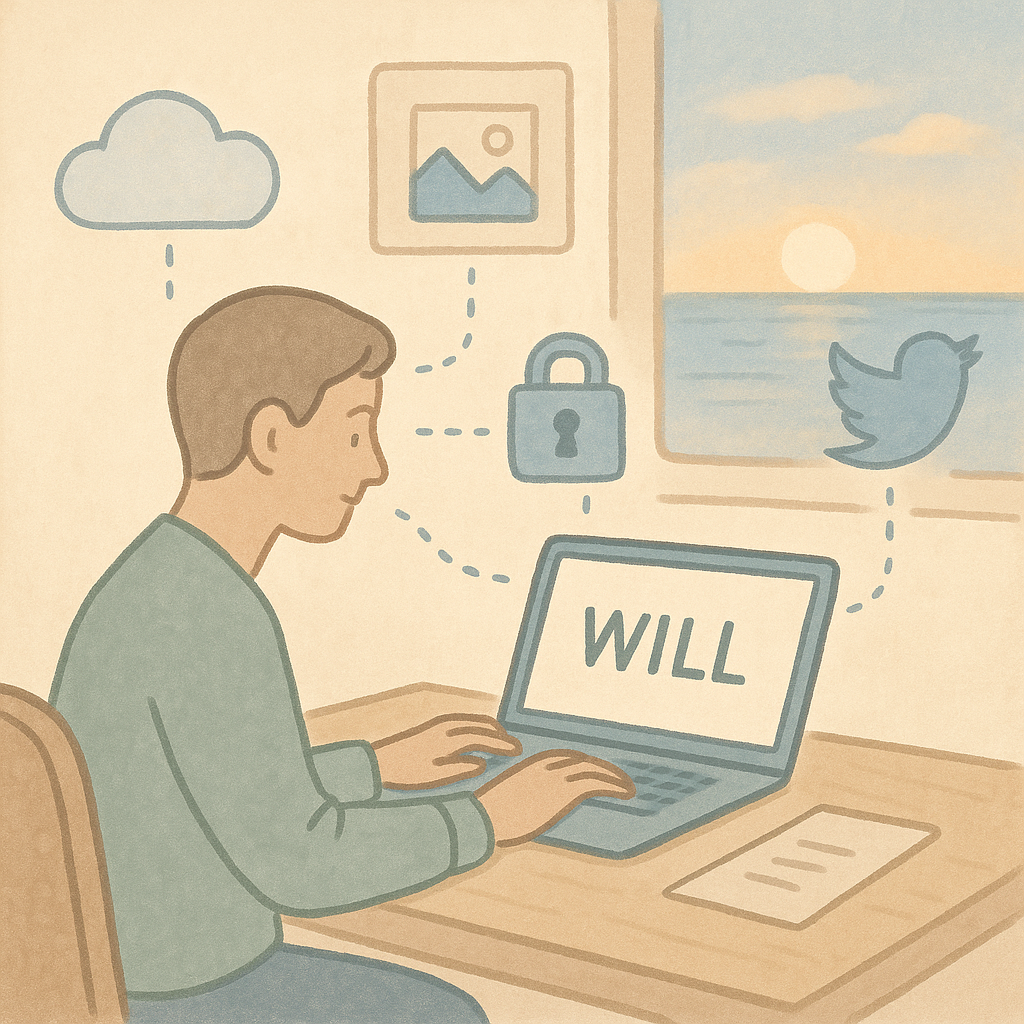
Digital assets include anything you own or control online. They can be financial, personal, or creative in nature, such as:
- Online banking or PayPal accounts
- Cryptocurrency or digital wallets
- Social media profiles (Facebook, Instagram, LinkedIn, etc.)
- Email accounts
- Cloud storage (Google Drive, iCloud, Dropbox)
- Digital photos, videos, and music
- Online businesses or domains
- Loyalty points and memberships
- Streaming subscriptions or purchased content
Many of these have both emotional and financial value; which is why it’s important to plan for them properly.
Why You Should Include Digital Assets in Your Will
Without clear direction, your family might struggle to access your online accounts. In some cases, they may even be unable to recover important memories or funds.
Including digital assets in your will helps to:
- Prevent data loss or deletion
- Protect personal and financial information
- Ensure digital property is passed on according to your wishes
- Provide comfort and clarity to loved ones
How to Prepare Your Digital Legacy
1. Make a List of Your Digital Assets
Start by creating a record of all your online accounts and assets. Include usernames, but never write down passwords in your will; as it becomes a public document after probate.
Instead, store passwords securely elsewhere (such as a digital password manager) and note in your will how to access them.
2. Decide Who Should Manage Them
You can appoint a digital executor which is someone you trust to handle your online accounts. This can be the same person as your main executor or a separate individual with the right technical skills.
3. Give Clear Instructions
Specify what you want done with each type of account. For example:
- “Please close my social media accounts.”
- “My photo library should be shared with my children.”
- “My cryptocurrency should be transferred to my named beneficiary.”
4. Keep Your Information Secure and Updated
Digital assets change frequently, so review this information regularly. Coastal Legacy can help you update your will and store documents safely.
Digital Assets That Hold Value
While some assets are sentimental, others can have significant monetary value; such as cryptocurrency, digital art (NFTs), or online businesses.
These must be properly accounted for in your will to ensure they’re not lost or overlooked.
Keeping Up with the Times
The law is still catching up with digital estate planning, which makes professional guidance essential.
At Coastal Legacy, we ensure your digital assets are clearly documented and your executors have the right information to manage them confidently.
Protect Your Online Legacy
Your digital life is part of your legacy. Including it in your will ensures your memories, data, and online presence are handled with care and respect.
👉 Contact Coastal Legacy today to protect your digital assets and plan for your online future.