
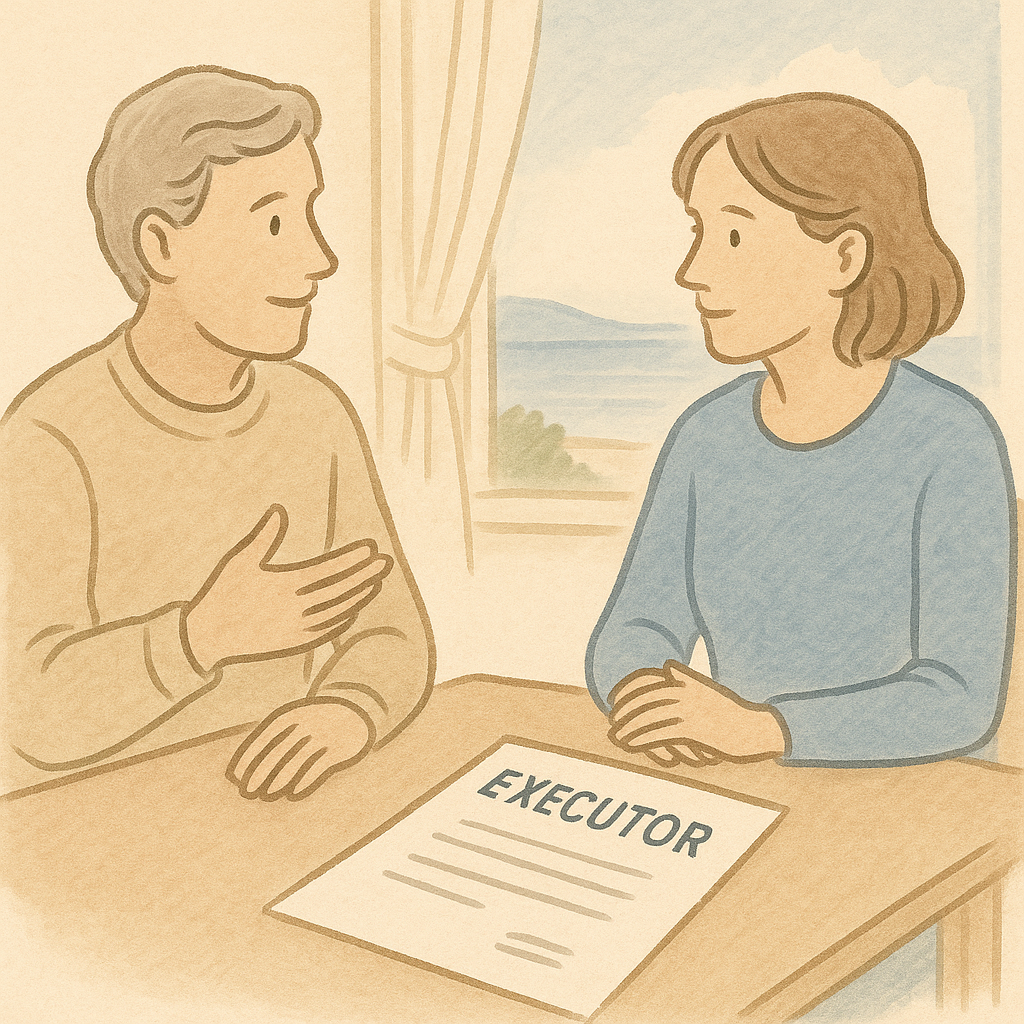
When you write your will, one of the most important decisions you’ll make is who to appoint as your executor.
Your executor is responsible for carrying out your wishes after you pass away; from handling paperwork and managing your estate to distributing assets to your beneficiaries.
At Coastal Legacy, we help clients across Hampshire, Fareham, Gosport, and Portsmouth choose executors who are trustworthy, capable, and suited to the role.
Here’s what you need to know before making your choice:
What Is an Executor?
An executor is the person (or people) named in your will to make sure your instructions are followed correctly.
Their duties include:
- Registering the death and obtaining the will
- Applying for probate (the legal authority to manage your estate)
- Collecting and valuing assets such as property, savings, and investments
- Paying debts, taxes, and expenses
- Distributing the estate to your beneficiaries
It’s a position of trust and responsibility, so choosing the right person is key.
Who Can Be an Executor?
Almost anyone aged 18 or over can act as an executor, including:
- Family members
- Close friends
- A professional such as a solicitor or will writer
Many people choose two executors (for example, one family member and one professional) to balance personal understanding with legal expertise.
Qualities to Look For
Your executor doesn’t need legal training, but they do need to be:
- Organised: able to manage documents, deadlines, and communication
- Trustworthy: someone who will act fairly and responsibly
- Calm under pressure: able to make clear decisions at a difficult time
- Available: willing and able to take on the role when needed
If you choose more than one executor, they must be able to work well together.
Should You Choose a Family Member?
Many people name a spouse, adult child, or sibling as executor. This can work well, as they know your wishes and care deeply about your legacy.
However, managing an estate can be time-consuming and emotional, especially for someone grieving.
If you think this could be difficult, you might appoint a professional executor (such as Coastal Legacy) to take on the administrative and legal duties.
Can an Executor Be a Beneficiary?
Yes ; a beneficiary can also act as an executor, as long as they are over 18 and mentally capable.
This is common in family wills. For example, a partner or child might both inherit from and administer your estate.
However, witnesses to your will cannot be beneficiaries or their spouses, so it’s important to keep those roles separate.
What Happens If You Don’t Appoint an Executor?
If your will doesn’t name an executor, or if your chosen executor can’t act, the court may appoint an administrator.
This can delay the process and create uncertainty. Naming at least one reliable executor (and a reserve if possible) ensures everything is handled as you intend.
Appointing a Professional Executor
Choosing a professional executor offers peace of mind, particularly for complex estates or where impartiality is important.
At Coastal Legacy, we can act as executors or co-executors, ensuring your estate is managed efficiently and according to your wishes.
Plan with Confidence
Your executor plays a vital role in carrying out your final wishes, so it’s worth taking time to choose carefully.
Our experienced will writers can help you select the right person and prepare a clear, legally valid will that gives them everything they need to act confidently.
👉 Contact Coastal Legacy today to discuss executors and professional will writing across Hampshire.